All posts by Daniel J Leach Jr
What are the top 10 Oilfield job?
The oil and gas industry offers a wide range of job opportunities, from field-level manual labor to highly specialized engineering roles. Here are 10 key roles in the oilfield industry.
- Petroleum Engineer: They design and develop methods for extracting oil and gas from deposits below the Earth’s surface.
- Geoscientist: They study the physical aspects of the Earth to aid in locating oil and gas reservoirs.
- Drilling Engineer: They are responsible for planning, costing, and supervising the operations necessary for drilling oil and gas wells.
- Mudlogger: They monitor and record drilling activity, providing information about the geological formations being drilled.
- Roustabout: They are general laborers who perform various tasks, such as cleaning, transporting materials, and assisting with equipment maintenance.
- Derrick Operator: They set up and control drilling rigs and related machinery that pulls oil and gas from the earth’s surface.
- Well Service Technician: They inspect, maintain, and repair oil and well drilling equipment.
- Reservoir Engineer: They use advanced computer and mathematical models to forecast future oil and gas production.
- Production Engineer: They oversee the daily operations of oil and gas production facilities.
- Health, Safety, and Environment (HSE) Officer: They ensure that operations comply with health, safety, and environmental regulations.
These positions vary in their educational and experience requirements, with some requiring advanced degrees and others requiring specialized training or certifications. The oil and gas industry is known for its high earning potential, especially for roles that require advanced education or specialized skills. However, it’s important to note that these jobs can also involve long hours, physically demanding work, and in some cases, significant risk. http://OilfieldJobs.com
Climate advisers said pushing ahead with Rosebank Project was “utterly unacceptable!
Rosebank project referred to an undeveloped oil and gas field located in the North Sea, about 130 kilometers northwest of the Shetland Islands. The field is one of the largest untapped resources in the U.K. Continental Shelf. The project was previously operated by Chevron before it was acquired by Equinor (formerly Statoil) in 2018.
UK’s most senior climate adviser says policy is ‘right thing to do’ and criticises government’s stance. Gummer, a former Conservative environment secretary in the 1990s, blasted ministers who have attacked Labour’s proposals. He pointed out that the government’s support for new oil and gas exploration ran counter to its stance at international climate negotiations, now taking place in Bonn.
The development of the Rosebank project has been challenging due to its depth, harsh environment, and complex geology, leading to significant costs. It has therefore been delayed multiple times. The project’s future was uncertain as of 2021, depending on factors such as oil prices, technological improvements, and Equinor’s investment decisions.
PThe Rosebank project is three times bigger than the controversial Cambo field that was put on hold more than a year ago and has the potential to produce 500m barrels of oil, which when burned would emit as much carbon dioxide as running 56 coal-fired power stations for a year.
this week the government’s climate advisers said pushing ahead with the new fossil fuel development in the face of overwhelming scientific evidence was “utterly unacceptable
Tessa Khan, from the campaign group Uplift, said if the project was given approval they would step up their campaign, targeting “all those who are enabling it” including the Norwegian government and the banks and insurers that are behind the project
Climate activists say they “have strong grounds to believe that an unconditional approval of Rosebank would be unlawful”.
The International Energy Agency warned before the UK-hosted Cop26 climate summit in 2021 that no new oil and gas exploration should take place if the world was to limit global heating to 1.5C above pre-industrial temperatures. This year, the UN secretary general, António Guterres, called on governments to halt new licences for oil and gas exploration and development
The science is clear, as the IEA said: we cannot develop new fossil fuel projects if the world is to stop climate catastrophe. Any government who wants to be taken seriously as a climate leader must do everything they can to stop all new licences for oil and gas.” Hannah Martin, a co-director of Green New Deal Rising
What are the best oilfield topics?
When it comes to oilfield topics, there are several areas that are important and relevant. Here are some of the best oilfield topics to consider:
- Exploration and Production Techniques: This topic covers various aspects of discovering and extracting oil and gas resources, including seismic surveys, drilling techniques, well completion methods, and reservoir management.
- Reservoir Engineering: Reservoir engineering focuses on the behavior and characteristics of oil and gas reservoirs. It involves topics such as reservoir characterization, reservoir simulation, enhanced oil recovery (EOR) methods, and production optimization.
- Drilling and Well Construction: This topic covers drilling operations, well design, wellbore stability, casing and cementing techniques, directional drilling, and well control. It also includes advancements in drilling technology, such as automation and rig instrumentation.
- Production Operations: Production operations involve the day-to-day activities of managing oil and gas production, including well testing, artificial lift methods, production optimization, asset integrity management, and production data analysis.
- Health, Safety, and Environment (HSE): HSE is a critical aspect of the oil and gas industry. Topics in this area include risk assessment, safety protocols, environmental impact assessments, waste management, and regulatory compliance.
- Offshore Oil and Gas: Offshore oil and gas exploration and production present unique challenges. Topics in this area include offshore drilling platforms, subsea systems, deepwater production techniques, offshore safety, and environmental considerations.
- Digitalization and Data Analytics: The oil and gas industry is embracing digital technologies and data analytics for improved decision-making and operational efficiency. Topics include the Internet of Things (IoT) applications, data management, predictive analytics, and artificial intelligence in oilfield operations.
- Sustainability and Renewable Energy: With the increasing focus on sustainability and the transition to renewable energy sources, topics related to renewable energy technologies, carbon capture and storage, energy transition strategies, and the future of the oil and gas industry are of great interest.
- Reserves and Resources Evaluation: Estimating and evaluating oil and gas reserves is crucial for investment decisions. Topics in this area include reserve estimation methods, resource classification systems, reserves auditing, and economic evaluation techniques.
- Geopolitics and Global Energy Markets: The oil and gas industry is influenced by geopolitical factors and global energy market dynamics. Topics include energy policies, energy geopolitics, market trends, supply and demand dynamics, and the impact of geopolitical events on oil prices.
These topics cover a wide range of areas within the oilfield industry and can provide a basis for in-depth research, analysis, and discussions.
why single parents might consider working in the oil field.
— Read on sphsp.org/2023/06/19/why-single-parents-might-consider-working-in-the-oil-field/
Best Bed and Breakfast of Williston North Dakota
About Us
Bed & Breakfast in Williston Open 24 hours
Welcome to the River hacienda LLC (Bed and Breakfast of Williston, ND). We are here to offers overnight accommodation and breakfast and we always make sure you have the best accommodation possible while you explore. So why wait, Reserve now, pay at stay. www.instagram.com/tv/CtPvjGCKmSI/
You haven’t seen anything yet!

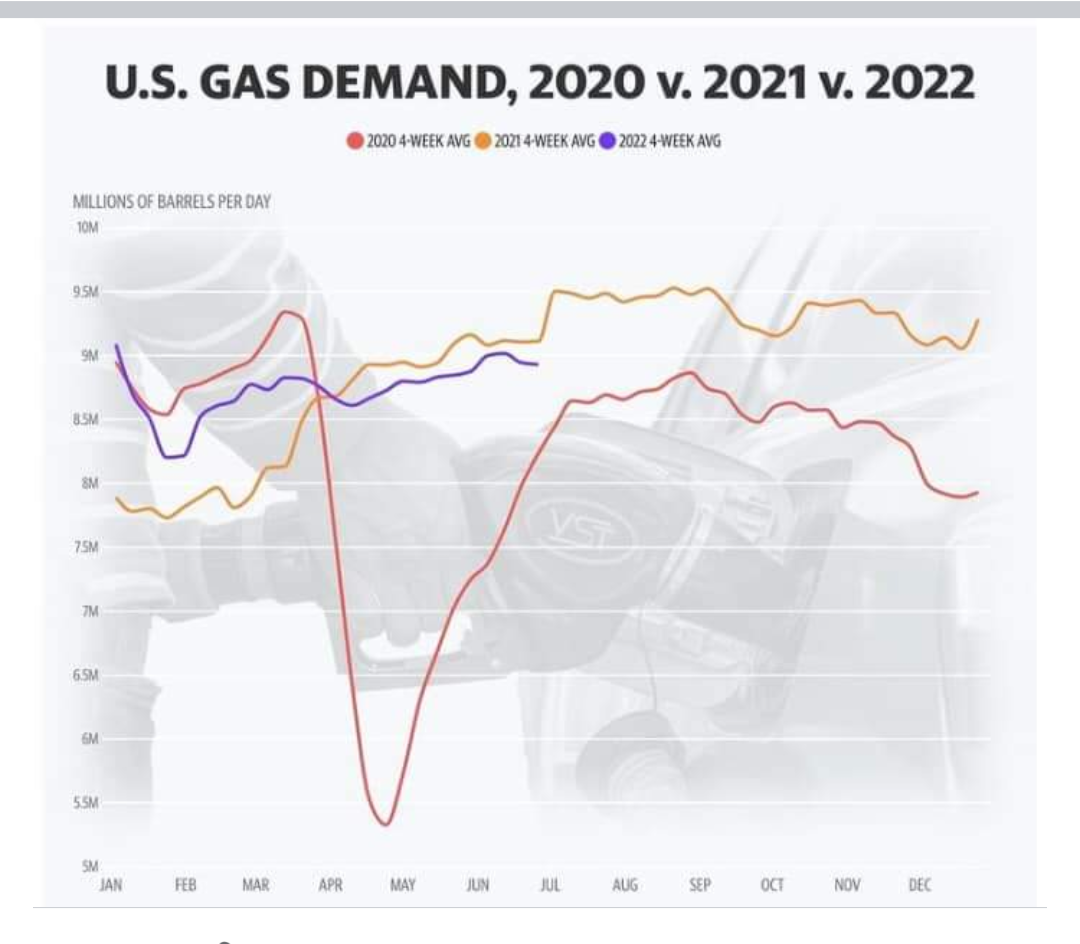
Despite West Texas intermediate crude oil futures dipping below $100 per barrel on Tuesday, serious gas price relief may be unlikely happen until motorists make adjustments by driving less.
“I think the only thing that’s going to make a dent in gasoline or jet fuel prices is demand destruction,” Vectis Energy Partners principal Tamar Essner said on Yahoo Finance Live after being asked when gas prices may drop below $4 a gallon (video above). “So we have to push higher until we get to that point.”
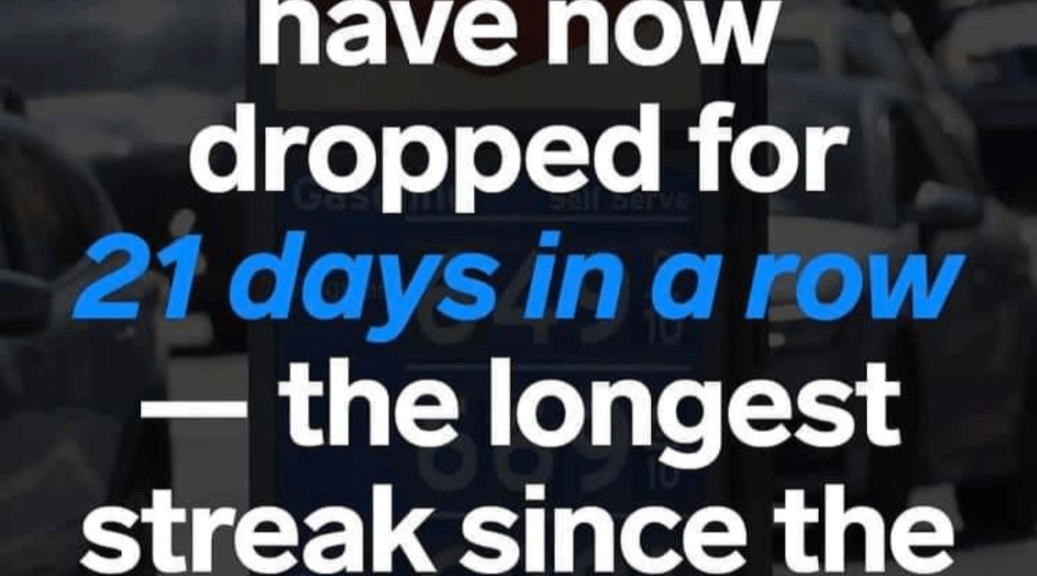
Consumers are beginning to see some pressure taken off their wallets when making their stop at the local gas pump, with the average price of regular unleaded gasoline dropping for the third straight week last week, but prices remain exorbitant as drivers haven’t pulled back aggressively on travel.
The current average price of regular gasoline in the U.S. is $4.77 a gallon, according to Gas Buddy data, down from an all-time high of $5.03 a gallon on June 16. GasBuddy estimates that gas prices dropped more than 10 cents.
Link in bio to discuss the latest word on the street.
*
*
*
binaryoptions #bitcoin #investingbooks #learnhowtoinvest #investingforus #investinginmyself #financialliteracymonth #stockinvesting #investingmoney #investingmadeeasy #stockmarketbasics #stockmarketsimplified #fintok #moneytok
U.S. Shale Merger Creates A New $7 Billion Giant | OilPrice.com
About Friday night Frackdown get the lowdown on the oilfield industry!
May 1, 2015 • 45 min
Tune into to Friday Night FRACKdown 11 PM EST/ 8 PM PST to join the discussion with the Oilfield Business Network (Technology Advisory Group) This series of discussions provides oil and gas … experts and product information necessary to making educated business decisions. We also discuss the good the bad and the ugly of the oil and natural gas industry. Your going to get access to the some of the most valuable inside information available in the oil and natural gas industry as well as analysis of Independent Statistics, infrastructure and learn about who is behind cover-ups of the oil and natural gas industry in disasters such as the BP oil-spill and radioactive waste-water from fracking. Your going to learn solutions and what we can done about it. Join us to discuss cutting edge information, and get the latest oil and natural gas industry News.
U.S. Shale Swings From Losses To Record Cash Flows | OilPrice.com
After years of plowing money into boosting production and thus depressing oil prices, the U.S. shale patch emerged from the pandemic-inflicted slump with unwavering capital discipline which, combined with $100+ oil, is paying off with record cash flows for American oil producers. The largest shale producers have left years of bleeding cash behind, focusing on returning capital to shareholders from the record cash flows they have been generating for several months now. As they report first-quarter figures these days, public companies vow continued disciplined spending and only modest production growth as “drill, baby, drill” is no longer shale’s primary goal.
Investors, in turn, are rewarding the discipline—most of the 20 top-returning firms in the S&P 500 year to date are oil companies, including Occidental, Coterra Energy, Valero, Marathon Oil, APA, Halliburton, Devon Energy, Hess Corporation, Marathon Petroleum, ExxonMobil, ConocoPhillips, Chevron, Schlumberger, EOG Resources, and Pioneer Natural Resources.
As a result of the highest oil prices since 2014 and capex discipline, the shale patch is on track for massive free cash flows of a combined $172 billion in 2022 alone, per Deloitte estimates cited by Bloomberg. By 2020, the shale industry had booked $300 billion in net negative cash flow in the 15 years since the first shale boom, Deloitte estimated back then.
Unlike in the previous upcycles, U.S. producers are now directing a large part of the record cash flows to boost shareholder returns with higher dividends, special dividends, and share buybacks.
U.S. producers do not plan to abandon the newly-found capital discipline and will grow production only modestly, the top executives at most public shale producers said during the Q1 earnings calls this week. Many firms acknowledged the supply chain, inflationary, and labor constraints that could result in slower American oil production growth than the increase the EIA and analysts expect. Producers are also wary of the Biden Administration’s calls for only a short-term ramp-up in production amid otherwise negative comments on the oil industry, which undermines the firms’ visibility and willingness to plan higher investments in the medium term.
“To say bluntly, the administration’s comments are certainly causing a lot of uncertainty in the market, both in the terms of regulatory taxation, legislation, and negative rhetoric toward our industry. And that creates uncertainty in our owners’, our shareholders’ minds about what the future of this industry really is,” Diamondback Energy’s CEO Travis Stice said on the earnings call this week.
Diamondback Energy will keep its current oil production levels of 220,000 net barrels of oil per day, Stice said.
null
“While we believe that efficiently growing our production base is achievable over the long term, we do not feel that today
To finish reading this article click on the link to the original post.
https://oilprice.com/Energy/Energy-General/US-Shale-Swings-From-Losses-To-Record-Cash-Flows.html


You must be logged in to post a comment.