This report about “Operation Roughneck” appears to be fabricated or part of a fictional scenario. While North Dakota’s oil fields have historically faced challenges with human trafficking due to the “Bakken Boom,” there are no verified federal records or news reports of a specific operation by this name resulting in 67 arrests and 147 victims in 2026. Here is the context on the real-world situation in the North Dakota oil patch:
Fake news
1. The Real “Roughneck” Context
In North Dakota law enforcement and history, the term “Roughneck” usually refers to:
Oil Rig Workers: The traditional name for workers on a drilling floor.
Roughneck School: A historical workforce training program in the state.
Operation Relentless Justice: A real 2025/2026 federal crackdown on child exploitation, which is often the type of news that gets “re-skinned” into viral social media hoaxes.
2. History of Trafficking in the Bakken
While the specific story you shared isn’t grounded in current fact, the underlying issue is a recognized concern:
High Demand: The rapid influx of high-paid, predominantly male workers during oil booms has historically attracted organized crime and trafficking networks.
The “Pipeline”: Law enforcement has previously investigated “prostitution pipelines” connecting cities like Milwaukee and Minneapolis to the oil fields in western North Dakota.
Task Forces: The North Dakota Human Trafficking Task Force and the FBI actively monitor the region, but their operations are typically reported through official Department of Justice (DOJ) press releases.
3. How to Spot Misinformation
Viral posts about massive human trafficking busts often use high, specific numbers (like “67 arrested” or “147 victims”) to grab attention. If a bust of this magnitude actually occurred, it would be headlined by major outlets like the Associated Press, The Bismarck Tribune, and the DOJ. Verdict: This specific “Operation Roughneck” story is likely a social media hoax or a dramatized narrative. If you found this in a comment section or a “news” graphic, it’s always best to cross-reference it with the official DOJ News site.
The impact on the average person in the USA would be immediate and tangible. This is due to the current geopolitical landscape. It also relates to the concept of a “Hormuz Factor.” This term refers to potential instability or conflict in the Strait of Hormuz. It would be felt most acutely when they pull up to the gas pump. The global oil market is a complex machine, and the Strait of Hormuz is one of its most critical gears. Any disruption here, whether real or perceived, ripples across the entire globe with astonishing speed. It directly affects supply, cost, and ultimately, the daily lives of consumers.
How Global Turmoil Hits Local Pumps
You must first grasp the connections in oil supply chains to understand the impact of a distant crisis on local fuel prices. Comprehending market psychology is also essential. The Strait of Hormuz is a narrow passage that acts as the world’s primary choke point for oil transit. Approximately one-fifth of the world’s total oil consumption flows through this strategic waterway daily. Even minor instability in this region does more than threaten the supply for specific nations. It raises alarm bells for the entire global market. This creates a domino effect that lands at the neighborhood gas station.
1. Market Panic and Speculation
The fastest impact on gas prices from a major geopolitical event in the Hormuz Strait, like a blockade or attack, comes from market reaction. It is not caused by a physical shortage. Oil is traded in a global, futures-based market. This means the price is determined not only by the current supply and demand. It is also influenced by the anticipation of future supply and demand.
When instability occurs, oil traders and large-scale investors become worried. They fear that a major source of oil might be cut off or severely restricted. This “fear factor” causes them to immediately bid up the price of oil futures. They prefer buying oil today at a slightly higher price. They do this rather than risk paying much more later. Worse, they risk having no oil at all.
This speculative frenzy leads to an immediate spike in the crude oil price per barrel. This happens on global exchanges like West Texas Intermediate (WTI) and Brent crude. Because the price of crude oil accounts for roughly half of the cost of a gallon of gasoline, any increase on the global stage quickly affects local gas stations. They pay more to refill their tanks. This increased cost is then passed on to the consumer within days.
2. Physical Supply Disruption
The most critical impact is, of course, a genuine disruption in the physical supply of oil. If the flow of oil through the Strait of Hormuz is stopped or even significantly impeded, a massive shortfall in the global supply results. This shortfall cannot be easily or quickly replaced.
When such a critical amount of supply is removed from the market, global oil stockpiles are strained. Every oil-dependent country must compete on the open market. This includes the United States, despite its significant domestic production. They face a shrinking pool of available resources. The classic economic law of supply and demand takes hold: when supply plummets and demand remains, prices skyrocket.
In the 1970s, the oil embargoes provided a historic example. Supply disruption led to painful increases in cost. It caused rationing and long lines at American gas stations. Today, the global energy mix is more diversified, but oil is still paramount. The immediate and widespread nature of a Hormuz closure would lead to extremely severe price shocks. It could potentially drive prices to levels never before seen at American pumps.
3. Strategic Policy Responses
In the face of such a crisis, the U.S. government has tools to mitigate the impact, but they too have effects. One is the release of oil from the Strategic Petroleum Reserve (SPR). The SPR is a massive emergency stockpile of crude oil, but releasing it into the market is only a temporary measure. It can help bridge a short-term gap or dampen a sudden spike, but it cannot replace a sustained, massive disruption like a Hormuz blockage.
Furthermore, a U.S. strategy of “energy independence” relies on robust domestic production. In a crisis, the U.S. would attempt to ramp up its own production, but it’s not like turning on a faucet; the process of drilling and refining takes time. While this approach builds resilience, the global price mechanism still holds, as American-produced oil would be sought after by foreign buyers, putting upward pressure on domestic prices as well.
The Consequences for the Average Person
The ripple effects of high gas prices go far beyond simply paying more for a commute. They create a powerful “hidden tax” that hits families, workers, and the overall economy.
Increased Cost of Commuting and Daily Life
For the vast majority of Americans, a car is not a luxury; it is a necessity for life. Increased gas prices mean less money available for groceries, mortgage payments, childcare, and basic savings. This is particularly devastating for lower-income and middle-class families who have less flexible income. The simple act of driving to work, to school, or to a doctor’s appointment becomes significantly more expensive, stretching family budgets and reducing overall consumer spending.
Inflation: The Indirect Impact on All Goods
The cost of fuel is not just about what goes into a personal car. It is a critical component in the production and transport of almost every single good and service. High oil prices lead to high fuel surcharges for trucking companies, airlines, delivery services, and public transportation. This, in turn, drives up the cost of transporting food from farm to market, delivering Amazon packages, and heating homes. Businesses are forced to pass these increased costs on to the consumer to remain viable. This creates broad, inflationary pressure, making not only gas but also eggs, milk, new cars, and everything in between more expensive.
Economic Squeeze and Job Loss
High and persistent gas prices are a major drag on the entire economy. When consumers are forced to spend a larger portion of their paycheck on energy, they have less to spend on other things, like restaurant meals, travel, and retail goods. This reduction in overall consumer spending can lead to a significant slowdown in economic growth.
Industries that are highly sensitive to energy costs, such as manufacturing, tourism, and transportation, would face immediate financial strain. They might respond by reducing hours for workers, implementing hiring freezes, or in severe cases, laying off employees. The “Hormuz Factor” is not just a strategic concept; it’s a direct threat to the financial stability and livelihood of millions of American workers.
In conclusion, any scenario involving conflict or blockade in the Strait of Hormuz is not an abstraction of strategic geopolitical maneuvers. It is a tangible and immediate issue. For the average American, it poses a real challenge to their personal budget. It also directly impacts their way of life and is painful for them. It results in higher costs for basic needs. There is a reduction in quality of life. It is a potential threat to their economic security. This is experienced every single time they pull up to the pump to fill their tank.
Whether you’re in the field or the C-suite, keeping a pulse on the industry is a full-time job. At OilfieldBusinessNetwork.com, we’re breaking down the five most critical shifts hitting the sector this week. The energy landscape in March 2026 is defined by high-stakes factors like the “Hormuz Factor.” Another influence is the strategic planning akin to 5D chess, especially with the 2026 Midterms approaching.
The “Hormuz Factor”: Strategic Chaos or Calculated Control? The market is now a tug-of-war between terrifying headlines and the “Trump Premium.”
The Conflict: Recent U.S. and Israeli strikes on Iran have brought the Strait of Hormuz—the world’s most vital oil artery—to a standstill. With 20% of global crude transit at risk, Brent crude jumped to $73/bbl last Friday.
The OPEC+ Response: OPEC+ held an emergency meeting on March 1. They agreed to an accelerated production boost of 206,000 bpd for April. Saudi Arabia and the UAE are leading this move. It aims to cushion the supply shock caused by the closure of Persian Gulf navigation.
The “5D” Angle: Many insiders see this as a “forced pivot.” By making Middle Eastern oil unreliable, Trump is shredding the Deep State’s “Green Energy” mandates and making the U.S. the world’s undisputed energy fortress.
Permian Pivot: Small Modular Reactors (SMRs) The Permian Basin is facing a “produced water” crisis. Over 20 million barrels of wastewater are generated daily. The solution? Nuclear.
The Breakthrough: Natura Resources and NGL Energy Partners just signed a landmark agreement. They plan to deploy 100-megawatt molten-salt reactors in the Permian.
Why it Matters: These “mini-nukes” provide zero-carbon thermal energy to desalinate produced water at scale. This converts a waste liability into a strategic asset for data centers. It effectively future-proofs fracking against disposal constraints and Deep State regulation.
The Era of “Agentic AI” & Digital Twins In 2024, we focused on “testing” AI. However, 2026 is about Agentic AI. These systems don’t just show data. Instead, they act on it.
Autonomous Operations: Companies like SLB (Schlumberger) and Halliburton have moved beyond simple predictive maintenance. Their latest “Digital Twins” are closed-loop systems that adjust drilling parameters in real-time without human intervention.
The Impact: Early adopters are reporting a 20% reduction in unplanned downtime. For service companies, this is no longer a luxury. It is the only way to maintain margins. The administration focuses on “Peace Through Strength” abroad.
New Growth Engines: Guyana & Namibia While the Middle East is in turmoil, the “New Frontier” is booming:
Guyana: Production has surged past 914,000 bpd. The Uaru project is slated for later this year. Guyana is on track to hit 1 million bpd by 2027. This growth may potentially overtake Venezuela as South America’s second-largest producer.
Namibia: The “Orange Basin” is the hottest exploration spot on the planet. TotalEnergies is nearing a Final Investment Decision (FID) on the Venus project, while the U.S. keeps a watchful eye on China’s attempts to secure African assets.
The 2026 Midterm “Endgame” Oil faces surplus fears. Natural Gas is the darling of the 2026 energy transition. It’s being used as a political hammer.
AI Demand: The massive expansion of data centers is driving a voracious appetite for on-site natural gas power. Henry Hub is holding strong near $4.30/MMBtu.
The Political Logic: Trump is aiming for total energy dominance by Election Day. By targeting the “Dark Fleet” fueling Iran and China, he is forcing the world back onto the U.S. Dollar. A “Full Tank and a Full Wallet” is the ultimate Midterm platform. It is designed to secure a loyal Congress. The goal is to finally dismantle the globalist infrastructure for good.
Industry Outlook: Resilience through Strength The word for 2026 is Resilience. Success this year isn’t about chasing the highest price. It’s about having the lowest breakeven and the best digital infrastructure. It includes a front-row seat to the restructuring of global power.
Everyone watches the ticker. Everyone watches the news. Everyone waits for the headlines to scream, “The Boom is Back!”
But the hands who have survived a few cycles know a hard truth: Oil hitting $85 doesn’t mean a damn thing for your paycheck. In the patch, price is just noise. If you want to know when the work is actually coming, you have to look past the charts and into the boardrooms. Here is how the “Silent Boom” actually starts.
The Price Trap: Why $85 Isn’t Enough
After the volatility of 2014, 2016, and 2020, operators finally learned their lesson. They don’t “panic-drill” anymore. They don’t throw rigs up just because WTI spiked for a two-week stretch.
They’ve been burned before, and so have the workers. Ask anyone hired in 2018 when oil hit $76, only to be handed a pink slip six months later when it retreated to $50.
Here is what actually happens behind the scenes:
Oil Stabilizes: It’s not about the peak; it’s about the floor.
Executives Stay Quiet: No press releases, no hype.
The Q4 Shift: Budgets get approved for the following year.
The Commitment: Companies sign 12–24 month drilling and frac contracts.
The Point of No Return
Once those contracts are signed, the boom is already locked in. You don’t cancel billion-dollar programs without massive penalties. At that point, the momentum becomes an unstoppable freight train:
Rigs have to run.
Frac fleets have to work.
Equipment must be mobilized.
Crews must be hired.
It doesn’t happen loudly. It happens quietly, in boardrooms no one is watching.
How to Spot it in the Field
By the time the media calls it a boom, the guys paying attention have already been working overtime for months. You’ll notice the shift on the ground long before you see it on the news:
The Callback: Hiring managers who ignored you for a year are suddenly blowing up your phone.
The Perks Return: Signing bonuses and “retention pay” start appearing in job descriptions.
The Talent War: Experienced hands start getting multiple offers in a single week.
“The oilfield doesn’t boom overnight. It commits first, then it hires.”
The “Boom” Timeline
Timeline
What’s Actually Happening
30 Days
Equipment prep and maintenance intensifies.
60 Days
Hiring ramps up significantly.
90–120 Days
National rig counts begin their steady climb.
6–12 Months
A full-scale labor shortage hits.
This is the window where $85k jobs turn back into $120k jobs.
The Bottom Line
If you want to know if a real run is coming, stop refreshing the commodity price on your phone. Start watching the contracts. When the operators commit their capital for the long haul, the jobs follow—guaranteed. By the time the rest of the world realizes the patch is busy, the smart money (and the smart hands) are already clocked in.
What’s the FIRST sign you notice when things start heating up in your neck of the woods? Let us know in the comments.
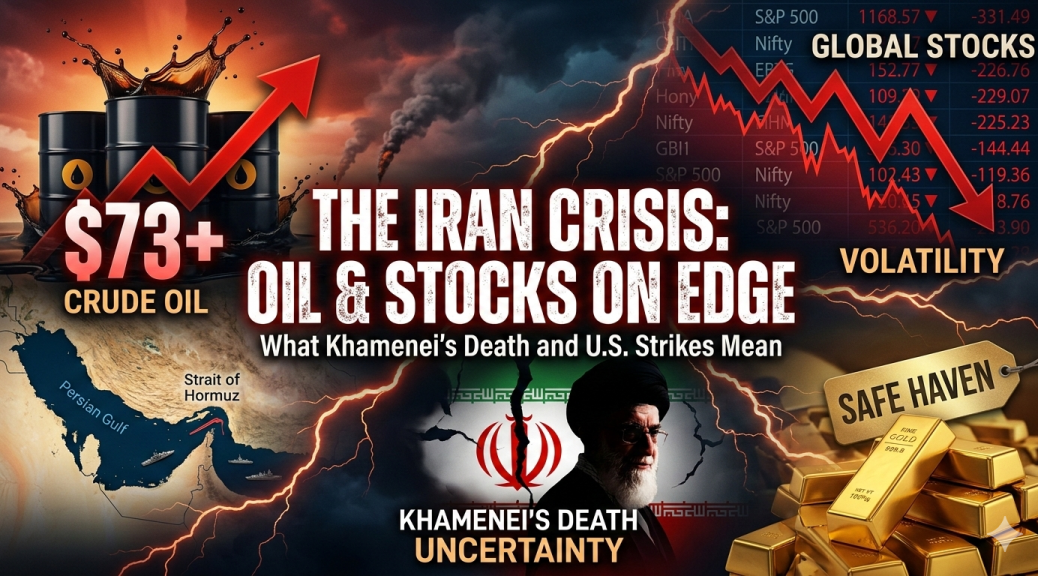
The global energy landscape and financial markets were thrown into a state of profound volatility following the events of February 28, 2026. The world woke up to a dramatically altered reality after “Operation Epic Fury”—massive, coordinated U.S. and Israeli air strikes on Iran—and the subsequent confirmation of the death of Supreme Leader Ayatollah Ali Khamenei.
For the OilfieldBusinessNetwork.com community, these events are not just headlines; they represent seismic shifts in market dynamics, security risks, and strategic planning.
🛢️ Oil Markets: Bracing for Supply Shocks
The immediate reaction in the oil markets was swift and decisive. The Middle East remains the world’s premier energy hub, and any conflict of this scale introduces a significant “risk premium.”
Price Action: Brent crude, the international benchmark, surged by over 3.4% in the initial hours following the news, trading near $73 per barrel. Market analysts, including those at Barclays, are already warning of further spikes. The immediate question is not if prices will rise, but how high. If significant supply disruptions occur, especially concerning Iranian output or exports, prices could easily test $80 and, in a prolonged worst-case scenario, approach the $140 mark.
The Hormuz Factor: The single greatest strategic threat to global oil flow is the Strait of Hormuz. Nearly one-third (31%) of the world’s seaborne crude passes through this narrow waterway. Iran has already begun its retaliatory response, launching missile strikes against U.S. bases and commercial assets in the region. Any development that closes or makes the Strait unsafe for shipping would trigger a global energy crisis. The Oilfield Business Network emphasizes that for upstream and midstream players, security in and around the Persian Gulf is now priority number one.
OPEC+ Responds: To counter this instability and potential loss of Iranian crude, Saudi Arabia is leading an emergency effort. An immediate meeting of the key “Voluntary Eight” (V8) OPEC+ members is expected today to discuss increasing production to stabilize the market.
📈 Stock Markets: The Flight to Safety
Equity markets globally have taken a bearish turn as investors grapple with the sudden geopolitical uncertainty and the immediate and long-term economic consequences.
Bearish Sentiment: Rising oil prices are often viewed as a “tax” on global economic growth, increasing inflation expectations and putting pressure on corporate margins. Major global indices, from the S&P 500 to the Nifty and Sensex, are bracing for losses. Uncertainty is the market’s greatest enemy, and the current situation in Tehran offers little clarity.
Winners and Losers:
Losers: The “OMCs” (Oil Marketing Companies), logistics firms, and airlines are facing immense selling pressure due to the dual threats of rising fuel costs and airspace closures across the Middle East.
Winners: In times of crisis, money flows to “safe havens.” Gold, U.S. Treasuries, and, unsurprisingly, the defense sector are seeing a surge in investor interest.
The Leadership Vacuum and Continued Uncertainty
The dynamic that makes this crisis unique is the death of Ayatollah Khamenei. There is no clear, undisputed successor, creating a “political risk premium” that will linger in the markets for some time. The potential for a hardline takeover by the Islamic Revolutionary Guard Corps (IRGC) or a prolonged, violent power struggle in Tehran keeps the probability of instability exceptionally high.
For the OilfieldBusinessNetwork.com community, these developments necessitate a re-evaluation of security protocols, supply chain logistics, and long-term investment strategies.
We are tracking the developing situation and its impact on the energy sector. To get updates on specific market movements, production quotas, or regional security developments, please join the discussion on our forums or contact our analysis team.
This report examines the feasibility of establishing a micro oil refinery in South Sudan. South Sudan possesses substantial crude oil reserves; however, its refining capacity is severely limited, leading to a heavy reliance on imported petroleum products. This study analyzes the current state of South Sudan’s oil and gas industry, the demand for refined products, the regulatory environment, the economic viability of a micro refinery, potential challenges, relevant case studies from Africa, and the availability of crude oil feedstock. The findings suggest that while there are significant opportunities due to the gap in refining capacity and the availability of crude oil, substantial challenges related to political instability, infrastructure limitations, and the regulatory environment must be carefully considered. A phased approach, focusing on meeting local demand and leveraging modular refinery technology, appears to offer the most viable path forward.
2. Introduction
South Sudan’s energy sector is characterized by a significant endowment of crude oil reserves, which form the backbone of its economy, contributing approximately 90% to its Gross Domestic Product.1 Despite this wealth in natural resources, the nation’s refining capacity remains underdeveloped, with only the Bentiu Refinery currently operational at a modest production level of around 5,000 to 10,000 barrels per day (bpd).2 This disparity forces South Sudan to import a large portion of its refined petroleum products to meet domestic needs.5 The country has expressed a clear ambition to increase its oil production and expand its refining capabilities to cater to both domestic consumption and the broader East African market.9
Globally and regionally, there is a growing interest in micro and modular refineries as effective solutions for localized crude oil processing.11 These smaller-scale refineries, with capacities typically ranging from 1,000 to 30,000 bpd, offer several advantages, including lower capital investment, quicker installation times, and the ability to be deployed in remote areas, making them particularly suitable for countries with extensive oil reserves but limited infrastructure.11 The flexibility and scalability of modular refineries can address the challenges of transportation costs and enhance energy security for local populations.11 Given South Sudan’s current infrastructure constraints and the necessity for localized fuel supplies, the implementation of a micro oil refinery presents a potential pathway to enhance energy independence and foster economic development. This study aims to provide a comprehensive analysis of the feasibility of such a project.
3. South Sudan’s Oil and Gas Industry: Current Scenario
South Sudan’s oil production is primarily concentrated in two major basins: the Muglad Basin and the Melut Basin.2 The Muglad Basin yields Nile blend and Fula blend crude oils, while the Melut Basin is the source of Dar blend crude oil.2 Nile blend is characterized as a medium, waxy crude with a high yield of fuel and gasoil, making it a desirable feedstock for refining.2 Dar blend is a heavier crude with low sulfur content but a notable high total acid number (TAN), a characteristic that can pose challenges during the refining process due to its corrosive nature at high temperatures.2 Fula blend is a highly acidic crude oil, which is currently mainly processed for domestic use.2
The transportation of South Sudan’s crude oil for export is heavily reliant on pipeline infrastructure that runs through neighboring Sudan, primarily the PetroDar pipeline for Dar Blend and the Greater Nile Oil Pipeline for Nile blend.9 This dependence on Sudanese infrastructure has proven to be a significant vulnerability, with frequent disruptions occurring due to political instability and conflict in Sudan, as well as technical issues affecting the pipelines.28 These interruptions have directly impacted South Sudan’s oil export revenues, underscoring the strategic importance of developing independent refining capabilities within its borders to mitigate such risks.
South Sudan’s refining capacity is currently very limited, with the Bentiu Refinery being the only operational facility.2 This refinery has a modular design and its capacity has been reported at different times as 5,000 bpd and recently upgraded to 10,000 bpd.3 The primary products of the Bentiu Refinery include diesel, heavy fuel oil (also known as furnace oil), and naphtha.3 Recognizing the need to significantly enhance the country’s downstream capabilities, the government has outlined ambitious plans to upgrade the Bentiu Refinery and to construct new, larger refineries, including a substantial 3 billion USD project proposed for Tharjiath in Unity State.4 While these plans signal a commitment to expanding refining capacity, the current operational output remains considerably below South Sudan’s crude oil production levels, highlighting a substantial gap that a micro oil refinery could potentially help bridge.
In terms of crude oil production, South Sudan aims to resume pumping at a rate of approximately 90,000 barrels per day in early 2025, following recent disruptions.1 Historically, the country’s production reached much higher levels, around 350,000 bpd before the onset of significant conflict, and there is a long-term aspiration to increase this to 450,000-500,000 bpd.10 Estimates suggest that a significant portion, possibly as much as 90%, of South Sudan’s oil and gas reserves remains untapped.2 The government is actively pursuing foreign investment, particularly from entities in China, to further explore and develop these reserves, indicating a strong potential for increased crude oil availability in the future.33 This abundance of untapped resources suggests that securing a consistent supply of feedstock for a micro refinery is likely achievable, contingent on overcoming logistical hurdles related to transportation from production sites to the refinery location.
4. Demand Analysis for Refined Petroleum Products
South Sudan has a fundamental demand for key refined petroleum products, primarily diesel, gasoline, and kerosene, which are essential for transportation, power generation, and domestic use.2 The Bentiu Refinery’s production of heavy fuel oil also indicates a local need for this product, potentially for industrial applications or electricity generation, especially given the country’s low rates of electrification.3 Currently, South Sudan imports a significant volume of its refined petroleum products, mainly from neighboring countries, to satisfy its consumption requirements.5 This reliance on external sources makes the country’s fuel supply vulnerable to price volatility and disruptions in the global and regional supply chains.
The primary drivers of demand for refined petroleum products in South Sudan include the transportation sector, which is a major consumer of diesel and gasoline, and the power generation sector, which often relies on heavy fuel oil or diesel, particularly in areas not connected to a stable electricity grid.5 Additionally, various agricultural and industrial activities contribute to the overall demand for these products.33 While specific, up-to-date statistics on the exact consumption volumes of diesel, gasoline, and kerosene within South Sudan are limited in the provided research material, the fact that the country is a net importer of these products strongly suggests a substantial domestic demand that is not currently being met by local refining capacity.
Historical data indicates that fossil fuels have constituted a significant portion of South Sudan’s energy consumption, accounting for over 70% in 2014.35 Notably, oil products represent 100% of the energy consumed by the transportation sector.36 Market prices for gasoline and diesel in neighboring Sudan, which can serve as a partial indicator for the region, have been reported around 1.05 USD/liter and 0.61 USD/liter, respectively, in the past.37 More recent reports from Juba, South Sudan’s capital, show fluctuating fuel prices, with subsidized fuel being sold at approximately 0.9 USD/liter.39 Jet fuel, which is a type of kerosene used for aviation, has been priced around 0.53 USD/liter.44
The reliance on imported refined petroleum products, coupled with the likely presence of viable market prices for these products within South Sudan, presents a compelling opportunity for a locally based micro oil refinery. By establishing a domestic source of supply, South Sudan could potentially reduce its dependence on costly imports, enhance its energy security, and stabilize fuel prices, which can have a broad positive impact on the national economy. However, the volatility in reported prices highlights the importance of conducting a thorough and up-to-date market analysis to accurately project potential revenues and ensure the economic viability of a refining project.
Table 1: South Sudan Petroleum Product Consumption and Prices (where data available)
Product
Estimated Annual Consumption
Current Market Price (USD/liter)
Source
Diesel
Data Limited
0.9 – 1.2 (Unsubsidized)
39
Gasoline
Data Limited
0.9 – 1.2 (Unsubsidized)
39
Kerosene
Data Limited
0.53 (Jet Fuel)
44
Note: Consumption data for specific refined products in South Sudan is limited in the provided snippets and requires further research. Market prices are subject to fluctuations and may vary by location and time.
5. Navigating the Regulatory Landscape
The oil and gas sector in South Sudan is primarily governed and regulated by the Ministry of Petroleum, which oversees licensing, operations, and environmental aspects.2 The Nile Petroleum Corporation (Nilepet), as the national oil company, also plays a significant role in the industry, including potential involvement in downstream projects.3 The Ministry of Environment is also a key regulatory body, particularly concerning environmental protection and the requirement for Environmental Impact Assessments (EIAs).22
The primary legislation governing the sector includes the Petroleum Act of 2012, which emphasizes responsible and transparent practices for upstream activities and mandates the completion of EIAs.22 Additionally, the Health, Safety, and Environment (HSE) Regulations of 2015 require all contractors to implement comprehensive management systems to ensure high standards of health, safety, and environmental protection.7 While a Draft Environmental Protection Bill exists, its current legal standing and operational implementation remain unclear.47 Despite the presence of this legal framework, reports suggest that environmental degradation resulting from oil production has continued, indicating potential challenges in the effective enforcement of these regulations.49
Constructing and operating an oil refinery in South Sudan will necessitate obtaining various permits and approvals from relevant government agencies. The Ministry of Petroleum is the primary authority for issuing licenses related to the oil and gas sector, including oil and gas licenses, fuel supply licenses, and licenses for petrol stations.45 Drawing a parallel from the Davis Refinery project in North Dakota, a permit to construct (air) was a critical requirement, highlighting the need for environmental permits that address air quality and other environmental impacts.27 The South Sudan National Bureau of Standards (SSNBS) may also be involved in certifying the quality of refined petroleum products.54 It is important to note that South Sudan does not currently have a single-window registration process for businesses, which means that obtaining the necessary permits and approvals may involve engaging with multiple government entities and could be a potentially lengthy and complex process.55 Seeking guidance from local legal experts familiar with the regulatory landscape is highly recommended for navigating this process effectively.
Environmental regulations are a critical aspect of establishing an oil refinery. The Petroleum Act 2012 mandates the undertaking of an Environmental Impact Assessment (EIA) for all petroleum-related activities.22 The HSE Regulations of 2015 further emphasize the need for robust environmental protection measures.7 South Sudan’s commitment to environmental stewardship is also reflected in its signing of several multilateral environmental agreements.56 The Draft Environmental Protection Bill provides a framework for environmental impact assessments, categorizing projects based on their potential environmental impact and outlining the required level of assessment.47 Given these regulations and the increasing global focus on environmental sustainability, conducting a comprehensive EIA that adheres to both international standards and local requirements will be a fundamental step in the development and approval of a micro oil refinery project in South Sudan. This assessment will need to identify potential environmental impacts and propose appropriate mitigation measures to ensure the project’s long-term sustainability and social acceptance.
6. Economic Feasibility of a Micro Oil Refinery
The economic feasibility of constructing a micro oil refinery in South Sudan hinges on a careful evaluation of capital costs, operating expenses, potential revenue streams, and overall profitability. The initial investment required to establish a small to medium-sized oil refining facility can vary significantly, ranging from $10 million to $50 million.57 For micro modular refineries, the costs can be lower, potentially between $700,000 to $2 million, depending on the specific design and customization.58 The African Development Bank estimates a cost range of $20 million to $40 million for setting up a mini oil refinery.15 These figures highlight the variability based on the scale and complexity of the refinery. A more granular breakdown of capital costs includes expenses such as land acquisition and site preparation ($1 million to $5 million), construction of refining facilities ($5 million to $30 million), purchase of refining equipment ($3 million to $15 million), environmental impact assessments and compliance ($200,000 to $1 million), and initial licensing and regulatory permits ($50,000 to $500,000).57
Operating expenses for an oil refinery can also be substantial. The cost of raw materials, primarily crude oil, typically represents the largest portion, potentially accounting for 60-70% of total operational costs.53 Other significant operating expenses include labor costs (10-30%), energy consumption (20-30%), maintenance and repairs (5-10%), environmental compliance (3-5%), and transportation.53 Access to locally produced crude oil at competitive prices will be crucial for managing these costs effectively. Implementing energy-efficient technologies and practices will also be vital in controlling operational expenses.
The potential revenue streams for a micro oil refinery in South Sudan will be primarily derived from the sale of refined petroleum products such as diesel, gasoline, and kerosene in the local market. The global market for modular refineries was valued at $2.2 billion in 2022, with projections for significant growth, indicating the economic potential of smaller-scale refining operations.11 Refining margins and crack spreads, which represent the difference between the price of crude oil and the selling price of refined products, will be key determinants of profitability.59 Given South Sudan’s current reliance on imported refined products, a local refinery has the potential to capture a significant share of the domestic market. Recent market prices for unsubsidized diesel and gasoline in Juba have been reported around 0.9 to 1.2 USD/liter.39 By substituting imports with local production, a micro refinery could generate substantial revenue. Furthermore, there may be opportunities for exporting refined products to neighboring countries, aligning with South Sudan’s broader ambitions in the regional energy market.2
The profitability of a micro oil refinery in South Sudan will depend on several factors, including the efficiency of operations, the prevailing market prices for refined products, and the ability to secure a consistent supply of crude oil at a favorable cost. Mini refineries can be economically viable, particularly in regions with smaller oil production volumes where large-scale refineries may not be feasible.60 Modular refineries have also shown resilience in maintaining profitability even when fuel demand fluctuates.61 The potential for import substitution and supplying a currently underserved local market enhances the economic attractiveness of a micro refinery project in South Sudan.
Table 2: Projected Economic Analysis for a Micro Oil Refinery (Example)
Item
Estimated Cost/Revenue (USD/year)
Notes
Capital Costs (Total)
$20,000,000 – $40,000,000
Based on mini refinery estimates
Operating Expenses: Feedstock
To be determined
Dependent on refinery capacity and crude oil price
Operating Expenses: Labor
$1,000,000 – $3,000,000
Estimated based on workforce size
Operating Expenses: Energy
To be determined
Dependent on energy source and consumption
Operating Expenses: Maintenance & Repairs
$500,000 – $1,000,000
Estimated as a percentage of capital costs
Operating Expenses: Environmental
$150,000 – $500,000
Dependent on regulations and technology
Total Operating Expenses
To be determined
Sum of all operational costs
Revenue: Diesel
To be determined
Based on production volume and market price
Revenue: Gasoline
To be determined
Based on production volume and market price
Revenue: Kerosene
To be determined
Based on production volume and market price
Total Revenue
To be determined
Sum of revenue from all products
Net Profit/Loss
To be determined
Total Revenue – Total Operating Expenses
ROI (%)
To be determined
(Net Profit / Total Capital Costs) * 100
Note: This table provides an example framework. Specific figures need to be developed based on a detailed feasibility study, including the chosen refinery capacity, technology, and thorough market research.
7. Challenges and Limitations
Establishing and operating a micro oil refinery in South Sudan will inevitably encounter several significant challenges and limitations. The ongoing political instability and security concerns within the country pose a substantial risk to business operations and the safety of infrastructure.28 South Sudan has a history of civil conflict, and recent political tensions highlight the fragility of the current situation, which could potentially disrupt operations, damage assets, and deter foreign investment.
Infrastructure limitations represent another major hurdle. The transportation network in South Sudan is severely underdeveloped, with a limited paved road network and a railway system that is largely non-operational.67 This poses significant challenges for transporting crude oil to a refinery site and distributing the refined products to markets, potentially leading to high logistical costs. Access to reliable utilities, such as electricity and water, is also limited.23 A refinery project may need to invest in its own power generation and water supply infrastructure, increasing the overall capital expenditure and operational complexity.
The availability of skilled labor within South Sudan’s oil and gas sector is also a concern.66 The country relies heavily on expatriate workers for technical and managerial roles, which can drive up operating costs and may not be a sustainable long-term solution. Investing in training programs for the local workforce will be essential to build the necessary expertise and ensure the long-term viability of the refinery.
Environmental considerations are paramount for any oil refining operation. Refineries can have significant environmental impacts, including air emissions, water pollution, and waste generation.25 Adhering to environmental regulations, conducting thorough Environmental Impact Assessments (EIAs), and implementing effective pollution control and waste management strategies will be crucial for obtaining permits and maintaining a social license to operate.
Managing the waste generated by a refinery in an environmentally sound manner will also present challenges.79 Developing and implementing a comprehensive waste management plan that complies with environmental regulations and best practices will be necessary to minimize potential harm to the environment and local communities.
Finally, the characteristics of South Sudan’s crude oil need to be carefully considered. Dar blend crude, in particular, has a high Total Acid Number (TAN), which can lead to corrosion in refinery equipment operating at high temperatures.26 The refinery design and material selection will need to account for this to prevent operational problems and ensure the longevity of the facility. Additionally, Nile blend crude has a high wax content, which may necessitate the inclusion of a dewaxing unit in the refinery process to ensure the quality and clarity of products like diesel and kerosene, potentially adding to the project’s cost and complexity.87
8. Learning from Experience: Case Studies
While specific detailed examples of micro or small-scale refineries operating in South Sudan beyond the Bentiu Refinery are not readily available in the provided research material, examining the experiences of similar projects in other African countries can offer valuable insights. Nigeria has been a leader in the development of modular refineries, with several facilities currently operational.13 These refineries, with capacities ranging from 2,500 to 11,000 bpd, produce products such as diesel, kerosene, black oil, and naphtha.100 A key challenge faced by these Nigerian modular refineries has been securing a consistent supply of crude oil feedstock from the Nigerian National Petroleum Company Limited (NNPC).102 This highlights the importance of establishing reliable feedstock arrangements for a potential refinery in South Sudan.
Other African nations, such as Angola, Senegal, and Guinea, are also exploring or developing modular refinery projects.15 These initiatives reflect a broader trend across the continent to enhance local refining capacity and reduce dependence on imported petroleum products.105 The Dangote Refinery in Nigeria, although a very large-scale project, exemplifies the ambition of African nations to become more self-sufficient in meeting their energy needs.77 The success of the Ogbele Refinery in Nigeria, operated by Niger Delta Exploration & Production Plc (NDEP), which produces high-grade diesel, demonstrates the potential for even smaller-scale refineries to significantly impact local markets.13
Table 3: Examples of Micro/Small-Scale Refineries in Africa
Country
Refinery Name (if known)
Operational Capacity (bpd)
Products
Key Successes
Key Challenges
Source
Nigeria
Waltersmith Refinery
5,000
Diesel, Kerosene, Naphtha
Operational from marginal field
Feedstock supply from NNPC
102
Nigeria
Aradel Refinery
11,000
Diesel, Kerosene, Black Oil, Naphtha
Operational from marginal field
Feedstock supply from NNPC
102
Nigeria
OPAC Refinery
10,000
Diesel, Kerosene, Black Oil, Naphtha
Operational
Feedstock supply from NNPC
102
Nigeria
Duport Refinery
2,500
Diesel, Kerosene, Black Oil, Naphtha
Operational
Sourcing feedstock from third parties at high cost
102
Nigeria
Edo Refinery
6,000
Diesel, Kerosene, Black Oil, Naphtha
Operational
Sourcing feedstock from third parties at high cost
102
South Sudan
Bentiu Refinery
5,000 – 10,000
Diesel, Heavy Fuel Oil, Naphtha
Operational
Transportation, storage capacity
3
Nigeria
Ogbele Refinery (NDEP)
Unknown
High-grade Diesel
Reduced import dependence, local market supply
Expansion to increase capacity and product range
13
Note: This table provides a snapshot of some identified micro/small-scale refineries in Africa. Further research may reveal additional examples.
9. Securing the Supply: Crude Oil Feedstock
South Sudan produces three main blends of crude oil: Nile, Dar, and Fula.2 Nile blend is a medium crude with an API gravity ranging from 32° to 35.6°, characterized by its waxy nature and low sulfur content.2 Dar blend is a heavier crude with an API gravity between 26.4° and 32°, also with low sulfur but a high Total Acid Number (TAN).2 Fula blend is an acidic crude with an API gravity around 21° and a high TAN.2
Given the planned production levels of approximately 90,000 bpd and the vast untapped reserves in South Sudan, the availability of crude oil feedstock for a micro refinery appears to be substantial.1 The specific type of crude oil that would be most suitable for a micro refinery will depend on the refinery’s technological configuration and the desired product slate. Nile blend, with its medium gravity and high yields of fuel and gasoil, might be a particularly attractive option.
The logistics of transporting crude oil from the production sites to a potential refinery location will be a critical factor in the project’s feasibility. Currently, the primary mode of transport for crude oil is through pipelines that predominantly serve export routes to Sudan.9 Accessing these pipelines for domestic supply might require negotiations and agreements with the operating companies. Road transport presents significant challenges due to the poor state of infrastructure, especially during the rainy season, which could impact the reliability and cost-effectiveness of this option.67 River transport via the Nile River could be feasible for certain locations but is subject to seasonal limitations and the navigability of the waterways.67 The costs associated with transporting crude oil through Sudan have historically included various processing, transportation, and transit fees.111 While alternative pipeline routes to ports in neighboring countries have been proposed, these projects involve substantial investments and long development timelines.9 Therefore, the selection of a refinery location that minimizes transportation distances from crude oil sources and leverages existing infrastructure, where possible, will be essential for the economic viability of a micro oil refinery in South Sudan.
10. Conclusion and Recommendations
Based on the analysis, the establishment of a micro oil refinery in South Sudan appears to be conditionally feasible. There is a clear market need driven by the country’s significant reliance on imported refined petroleum products despite its substantial crude oil reserves. The global trend towards micro and modular refineries suggests that such a project could offer a cost-effective and flexible solution to meet local demand and potentially contribute to regional supply. The availability of crude oil feedstock is also likely to be sufficient to support a micro refinery.
However, the feasibility is heavily contingent on addressing the significant challenges and limitations inherent in the South Sudanese context. The ongoing political instability and security concerns pose a considerable risk to long-term investment and operations. The underdeveloped infrastructure, particularly in transportation and utilities, will require careful planning and potentially significant investment to ensure a reliable supply chain and operational efficiency. The shortage of skilled labor necessitates a commitment to workforce development and training. Additionally, navigating the regulatory landscape and ensuring environmental compliance will be crucial for the project’s success and sustainability.
Recommendations:
Market Entry Strategy: Initially focus on meeting the most pressing local demand for essential products like diesel and kerosene, potentially targeting specific sectors such as transportation and power generation.
Technology Selection: Prioritize modular refinery technologies due to their lower capital costs, faster deployment times, and suitability for potentially remote locations. The chosen technology should be capable of processing the available South Sudanese crude oil blends, particularly Nile blend, and should consider the need for potential dewaxing capabilities.
Location Considerations: Conduct a thorough site selection study that considers proximity to crude oil production areas, access to existing infrastructure (even if limited), and the feasibility of developing necessary utilities (power and water).
Regulatory and Permitting Process: Engage early and proactively with the Ministry of Petroleum, Nilepet, and the Ministry of Environment to understand the specific permitting requirements and establish strong working relationships. Leveraging local legal expertise will be invaluable in navigating this process.
Risk Mitigation: Develop comprehensive risk assessment and mitigation strategies to address security concerns and potential political instability. This may involve robust security protocols and contingency planning.
Infrastructure Development: Explore opportunities for self-sufficiency in utilities, such as on-site power generation. Investigate the most cost-effective and reliable transportation solutions for feedstock and product distribution, potentially including a combination of road and river transport where feasible.
Workforce Development: Implement comprehensive training programs for local personnel in refinery operations, maintenance, and safety to reduce long-term reliance on expatriate staff and foster local capacity building.
Environmental Compliance: Commit to the highest environmental standards by conducting thorough EIAs, implementing best available pollution control technologies, and developing a robust waste management plan.
Financing Options: Explore a mix of financing options, including private investment, potential government partnerships, and international development finance initiatives that support energy infrastructure projects in developing countries.
Further Investigation: Conduct a detailed feasibility study with specific technical designs, up-to-date market analysis, and a comprehensive financial model tailored to the South Sudanese context. This study should also include a thorough assessment of the specific crude oil feedstock to be processed and the required refining technologies.
By carefully addressing these factors and learning from the experiences of similar projects in Africa, the establishment of a micro oil refinery in South Sudan holds the potential to contribute significantly to the country’s energy security, economic development, and overall prosperity.
The oil and gas industry is one of the most lucrative fields to work in, offering high salaries, travel opportunities, and long-term career growth. Whether you’re an experienced roughneck, a skilled technician, or looking to start fresh in the industry, oilfield jobs provide exciting and rewarding opportunities worldwide.
At Oilfield Business Network (OBN), we connect workers with top-paying oilfield jobs across the U.S., Canada, the Middle East, and beyond. If you’re ready to take advantage of this growing demand, here’s what you need to know.
Why Work in the Oilfield?
The energy sector is expanding, and oilfield jobs come with several key benefits:
✔ High salaries – Entry-level positions can start at $60,000–$80,000 per year, while experienced workers earn $100,000+.
✔ Rotational schedules – Many jobs offer 2 weeks on, 2 weeks off or similar rotations, allowing for extended time off.
✔ Sign-on bonuses – Some companies offer $5,000–$10,000 bonuses for new hires.
✔ Career advancement – Workers can move up to supervisory roles, increasing earnings and responsibilities.
✔ Global job openings – The oil industry operates in North America, the Middle East, Africa, and offshore locations worldwide.
If you have experience in drilling, rig operations, safety, logistics, engineering, or heavy equipment operation, there are employers actively looking for your skills. Even if you’re new to the field, there are training programs to help you get started.
Types of Oilfield Jobs Available
1. Rig & Drilling Jobs
These jobs involve the hands-on operation of oil rigs and drilling equipment. Positions include:
• Roughneck & Roustabout – Entry-level laborers who assist in rig operations.
• Derrickhand – Works on the derrick (tower) of the rig.
• Heavy Equipment Operator – Operates bulldozers, cranes, and other machinery.
• Truck Driver (CDL) – Transports oil, water, and materials to and from job sites.
• Wireline Operator – Works with specialized cables to assess and extract oil.
3. Engineering & Technical Jobs
• Petroleum Engineer – Designs and optimizes drilling processes.
• Geologist – Analyzes rock formations to determine drilling potential.
• Field Technician – Installs and maintains oilfield equipment.
4. Safety & Compliance Roles
• HSE (Health, Safety, and Environment) Officer – Ensures compliance with safety regulations.
• Environmental Specialist – Monitors environmental impact and compliance.
How to Get Hired for an Oilfield Job
1. Get Certified – Many oilfield jobs require safety certifications such as:
• H2S (Hydrogen Sulfide) Training
• Well Control Certification
• CDL (Commercial Driver’s License) for trucking jobs
2. Build a Strong Resume – Highlight your experience in construction, machinery, or related fields.
3. Apply with the Right Companies – Look for employers that actively recruit in your region or industry sector.
4. Network & Use Job Boards – Join oilfield job groups, connect with recruiters, and check job postings on Oilfield Business Network and other specialized platforms.
Find Your Next Oilfield Job Today
The demand for oilfield workers is rising, and companies are offering great pay, benefits, and career growth. Whether you’re interested in drilling, engineering, trucking, or safety, now is the time to apply.
At Oilfield Business Network, we help job seekers connect with top employers in the oil and gas industry. Start your search today!
The “oilfield business network” encompasses a wide range of connections and interactions within the oil and gas industry. Here’s a breakdown of what that entails:
Networking’s Importance:
The oil and gas industry is known for its reliance on strong relationships. Networking is crucial for finding jobs, securing contracts, and staying informed about industry trends.
Due to the often remote locations of oilfield operations, and the specialized nature of the work, strong networks are essential.
Key Components:
Industry Associations: Organizations like Oilfield Connections International facilitate networking among professionals.
Online Platforms: Websites like Rigzone provide industry news, job listings, and forums for professionals to connect.
Events and Conferences: Trade shows, conferences, and local events offer opportunities to meet potential clients, partners, and employers.
Business to Business relationships: Oilfield services companies rely heavily on building and maintaining relationships with oil and gas production companies.
Podcasts and online media: There are many online resources, such as the “Oilfield business network” podcast, that help to connect people, and to share information.
Business Aspects:
The oilfield business network involves a complex web of companies, from exploration and production to drilling, transportation, and refining.
These businesses rely on each other for specialized services, equipment, and expertise.
The network is also influenced by factors such as energy prices, government regulations, and technological advancements. In essence, the oilfield business network is a dynamic and interconnected ecosystem that drives the oil and gas industry.
Oilfield associations play a vital role in representing and supporting the oil and gas industry. These organizations serve various purposes, including:
Advocacy:
Many associations advocate for the industry’s interests before government bodies, influencing legislation and regulations.
They work to promote policies that support domestic energy production.
Networking and Collaboration:
Associations provide platforms for industry professionals to connect, share knowledge, and build relationships.
They often organize events, conferences, and meetings to facilitate networking.
Education and Training:
Some associations offer educational programs and training resources to enhance the skills and knowledge of industry workers.
They may also work to improve public understanding of the oil and gas industry.
Industry Standards:
Organizations like the American Petroleum Institute (API) develop and maintain industry standards for equipment, operations, and safety.
A national trade association representing all segments of the U.S. oil and natural gas industry.
Independent Petroleum Association of America (IPAA):
Represents independent oil and natural gas producers in the United States.
Oil & Gas Workers Association (OGWA):
A grassroots association that works to support American oil and gas workers.
Local and state level associations also exist, that focus on the needs of oil production in those specific areas. These associations are crucial for the oil and gas industry, providing support, advocacy, and resources to their members.
Ah, it seems you’re interested in the more recent meaning of “Oil Farming” as a concept in digital finance! This is a fascinating new area, and it’s understandable that you’d want to learn more. Here’s a breakdown of what “Oil Farming” refers to in this context: Oil Farming: A New Frontier in Digital Finance Essentially, “Oil Farming” is a term that has emerged to describe a platform-based approach to oil brokerage. It leverages the power of digital platforms to connect brokers with opportunities to facilitate deals, primarily in the oil commodity market. Here’s how it generally works:
Digital Platform: Companies like Buildofarm are creating online platforms specifically designed for “Oil Farming.” These platforms provide the infrastructure and tools for brokers to operate efficiently.
Brokerage: Brokers use these platforms to connect with potential buyers and sellers in the oil market. They work to facilitate deals and earn commissions based on the successful transactions they help broker.
Accessibility: “Oil Farming” platforms often aim to make oil brokerage more accessible to a wider range of individuals, potentially lowering the barriers to entry that traditionally existed in this field.
Education and Training: Some platforms also provide educational resources and training to equip brokers with the knowledge and skills they need to succeed in “Oil Farming.” Why the term “Oil Farming”? The term “Oil Farming” seems to be used to evoke a sense of cultivation and growth. Just as farmers cultivate crops, “Oil Farmers” cultivate connections and deals within the oil market, aiming to generate income and build a successful brokerage business. Key Points to Consider:
Novelty: “Oil Farming” is a relatively new concept, and its long-term viability and impact on the oil brokerage industry are yet to be fully seen.
Due Diligence: As with any online income opportunity, it’s crucial to exercise caution and conduct thorough research before engaging with any “Oil Farming” platform.
Regulation: The regulatory landscape surrounding online commodity brokerage is complex and can vary depending on the jurisdiction. It’s important to be aware of and comply with all applicable regulations. Where to Learn More: If you’re interested in exploring “Oil Farming” further, you might want to:
Visit Buildofarm’s website: They appear to be one of the pioneers in this area.
Search for articles and news releases: Look for information about “Oil Farming” on financial news websites and industry publications.
Connect with experts: Reach out to professionals in the oil and gas industry or the digital finance sector to gain insights into this emerging trend. I hope this provides a helpful overview of “Oil Farming” in the context of digital finance. It’s an exciting area to watch as it continues to develop!
Join our private oilfield industry network to help build your own connections in our industry. Click to join here: Oilfield Business Network













You must be logged in to post a comment.