
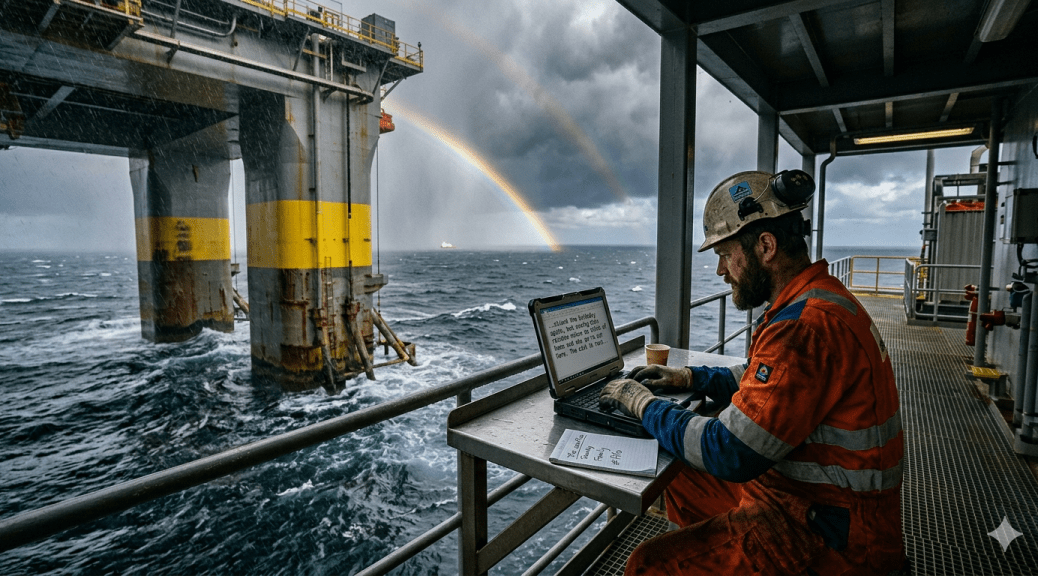
The oilfield. It’s a world of immense machines, grueling shifts, and often, eye-watering salaries. For many families in Williston, North Dakota, and similar resource communities, it’s a path to financial security, a chance to get ahead. But as the familiar industry saying goes: “The oilfield doesn’t just pay you; it demands a sacrifice.”
That sacrifice isn’t just physical. It’s woven into the very fabric of family life, creating a unique set of emotional and mental challenges that are often overlooked amidst the talk of boomtowns and rig counts.
The Mental Toll of the Roster
The very structure of the life—whether it’s “two weeks on, two weeks off” or a more demanding rotation—creates a constant state of transition. You aren’t just “away at work”; you are removed from the daily flow of your home, community, and family dynamics.
For the worker, this can lead to:

- Compartmentalization: You learn to switch off your “home” brain to focus on safety and productivity on the rig. While necessary for the job, this emotional switching can make it difficult to fully “switch on” again when you return, leading to a feeling of being present but distant.
- Deprioritizing Self-Care: Long shifts and a focus on hitting numbers can make mental health seem like a luxury. The constant push to “tough it out” can mask anxiety, depression, or burnout until they become unmanageable.
- A Growing Sense of Isolation: Communication can be spotty. When you do connect, you’re missing the nuance of a conversation—the eye contact, the shared laugh, the gentle touch. This can lead to feeling disconnected from the people you are working so hard to support.
The Weight on the “Home Front”
For the partner and family left behind, the challenges are equally profound. The emotional landscape of being the designated “single parent” or the sole domestic manager for weeks at a time is grueling. - Emotional Fatigue: You are managing the family’s emotions, logistics, and emergencies alone. When the worker calls, they are often too tired to offer much support, leaving you feeling emotionally drained.
- Anxiety and Fear: Every call from an unknown number, every news story about a rig accident, triggers a wave of fear. This underlying stress can be a constant companion.
- Resentment: It’s easy to feel resentful of the parent who gets to “leave” while you are left holding everything together. It can be equally easy for the worker to feel resentful of missing out on the small, joyful moments of daily life.
The Big One: Overcoming Separation Anxiety
Perhaps the most significant challenge—and the one that ties many of these other issues together—is separation anxiety. While often associated with children, it is a very real, very disruptive reality for spouses and partners in the oilfield.
This is the crippling dread that sets in as rotation day approaches. It’s the persistent worry about what’s happening at home, or what might happen on the rig. It can manifest physically (headaches, insomnia) and mentally (intrusive thoughts, difficulty concentrating).
How to Start Overcoming the Anxiety:
Overcoming this isn’t about “getting used to it.” It’s about building a robust toolbox to manage it. - Radical, Honest Communication: Don’t sugarcoat how hard the separation is. Talk about the anxiety, the fear, and the loneliness. This requires vulnerability on both sides. The worker needs to listen, and the partner needs to be direct.
- Standardize Your Transition Rituals: Create rituals for the day before departure and the day of return. This might be a special “go-away” family dinner or a standard “welcome-home” activity. These predictable actions help anchor you during times of instability.
- Redefine “Connection”: A five-minute “everything is okay” call is good, but try to prioritize high-quality communication. Use video chat whenever possible. Share photos of the small things—a drawing the kids made, a funny thing the dog did. These specific details make you feel included in each other’s lives.
- Build Your Village (The Williston Community): The isolation is amplified when you feel like you are the only one struggling. Connect with other oilfield families. Groups like the “Williston Oilfield Wives” or community events at the ARC (Area Recreation Center) can be invaluable. Shared experience is a powerful antidote to anxiety.
- Acknowledge and Validate the Feelings: The anxiety is real. The resentment is real. The loneliness is real. Simply naming these feelings and accepting them, without judgment, can diminish their power.
Conclusion: Worth the Swing
Life in the Williston oilfield is a marathon, not a sprint. The mental and emotional toll is a very real cost of doing business. But as the refined social media post reminds us: “the real ones keep going. Because home is worth every swing.”
By acknowledging the challenges and actively working to build resilience and connection, families can navigate this demanding lifestyle. The prosperity the oilfield provides is significant, but the strength of the relationships built despite it is the true victory.
What emotional or mental challenge has been the hardest for you to overcome in your oilfield life? Share your strategies below and help build our community’s toolbox. 👇

 Oilfield Business Network & Oilfield Association
You must be logged in to post a comment.